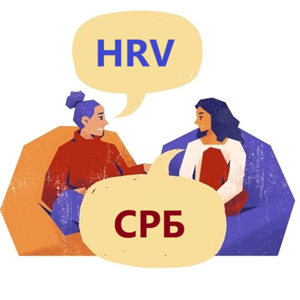
For foreigners, maybe all the languages spoken in Balkan sound the same, but the natives immediately recognize if a person comes from Croatia, Serbia, Bosnia, or Montenegro. The accent is the main factor that makes these languages different.
However, it doesn’t influence our understanding of each other. It’s just accent and the language logic, grammar, words, and phrases are the same. Or almost the same. Now we’ll see the differences.
“ije”, “je” and “e”
There are a lot of words in BCSM languages that include “ije” or “je”. For example: mlijeko (milk), lijepo (nice), čovjek (a man), svijet (world)… However, this exists in Croatian, Bosnian, and Montenegrian while in Serbian, these connections of 3 or 2 letters are changed with one letter – e.
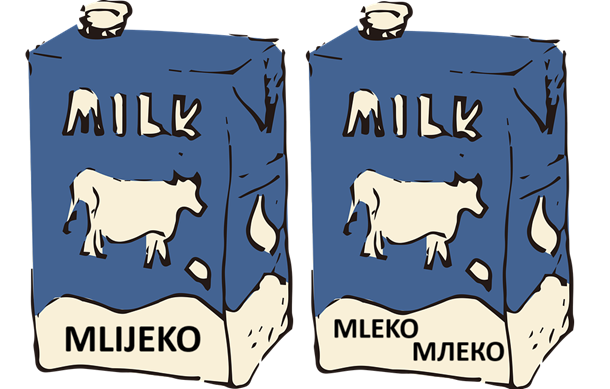
Therefore, Serbian versions of the mentioned words are: mleko, lepo, čovek, svet.
The natives notice when someone uses “jekavica” (ije/je) and when “ekavica” (e) is used. But many foreigners claim that they don’t hear the difference. When pronounced fastly as the natives speak, Croatian and Serbian versions sound the same to them.
Different script
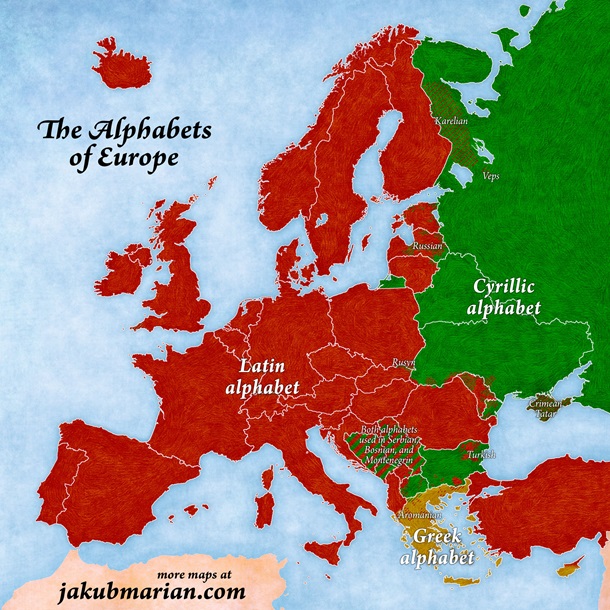
In Croatia, Latin script is used, and in Serbia, the main script is Cyrillic, although Latin is also used. For example, the government boards are written in Cyrillic in Serbia but in Bosnia, in both scripts. In Croatia, only in Latin.
Difference in writing foreign names
In the Croatian language, foreign names are written and pronounced as original. For example, New York is written just like that, although in the Croatian alphabet, there are no letters like w and y.
In the Serbian alphabet, these letters also don’t exist. That’s why Serbians write just as they pronounce. In the case of New York, it is written like – Nju Jork / Њу Јорк.
Personal names are also written like pronounced. For example, George Clooney is Džordž Kluni / Џорџ Клуни.
Some grammar parts
There are differences in some grammar things like forming questions. You can learn it in detail in the lesson about 3 tenses or in the audio stories. But let’s give just a quick resume:
Tenses
PRESENT TENSE:
HRV: Plivaš li u moru? – SRB: Da li plivaš u moru? (Do you swim in the sea?)
Gledaju li oni TV? – Da li gledaju oni TV? (Do they watch TV?)
PAST TENSE:
HRV: Jesi li plivala? – SRB: Da li si plivala? (Did you swim?)
FUTURE TENSE:
-different in writing
HRV: Ja ću plivati. → Plivat ću. (I will swim)
SRB: Ja ću plivati. → Plivaću. (I will swim)
Doći ću = Doći ću (I will come) – only infinitives with the suffix -ti are different in writing in the future tense
-different questions
HRV: Hoćeš li plivati? (Will you swim?)
SRB: Da li ćeš plivati? (Will you swim?)
In reality, many Croatians, especially older people, use “da li” to ask questions. It varies from person to person but in official language that is used in school, on TV, in books, newspapers, and so on, “da li” is avoided.
Modal verbs
In Serbian grammar, there are both versions:
- modal verb + infinitive (for example – ja mogu plivati)
- modal + da + present ( ja mogu da plivam).
But in real life, the second option is mostly used and this makes Serbian different from Croatian, where is used only the first option (with infinitive).
Of course, many people in everyday conversational language use the form with “da”.
Example:
Ne mogu ići na posao danas. // Ne mogu da idem na posao danas. (I can’t go to work today.)
Nisam mogao/mogla ići na posao. // Nisam mogao/mogla da idem na posao. (I couldn’t go to work.)
Neću moći ići na posao. // Neću moći da idem na posao. (I won’t be able to go to work.)
Vocabulary differences
Most of the vocabulary is the same but there are common words that are different. Let’s see the words that are used the most.
| ENGLISH | CROATIAN | SERBIAN |
| hour; class | sat | čas |
| to do (finished form) | napraviti | uraditi |
| what | što | šta |
| where to *check this audio story | kamo | gde |
| thousand | tisuća | hiljada |
| century | stoljeće | vek |
| train | vlak | voz |
| football | nogomet | fudbal |
| rice | riža | pirinač |
| wave | val | talas |
| island | otok | ostrvo |
| Europe, euro | Europa, euro | Evropa, evro |
| neighbor | susjed | komšija |
| female colleague (male colleague is the same – kolega) | kolegica | koleginica |
| percent (%) | posto | odsto |
| to decide | odlučiti | rešiti |
| to solve | riješiti | rešiti (two meanings in Serbian) |
| grade (°C) | stupanj | stepen |
| to know how to do something | znati | umeti |